"To be nobody but yourself in a world that's doing its best to make you somebody else, is to fight the hardest battle you are ever going to fight. Never stop fighting." E. E. Cummings
“Memory’s truth, because memory has its own special kind. It selects, eliminates, alters, exaggerates, minimizes, glorifies, and vilifies also; but in the end it creates its own reality, its heterogeneous but usually coherent version of events; and no sane human being ever trusts someone else’s version more than his own.”
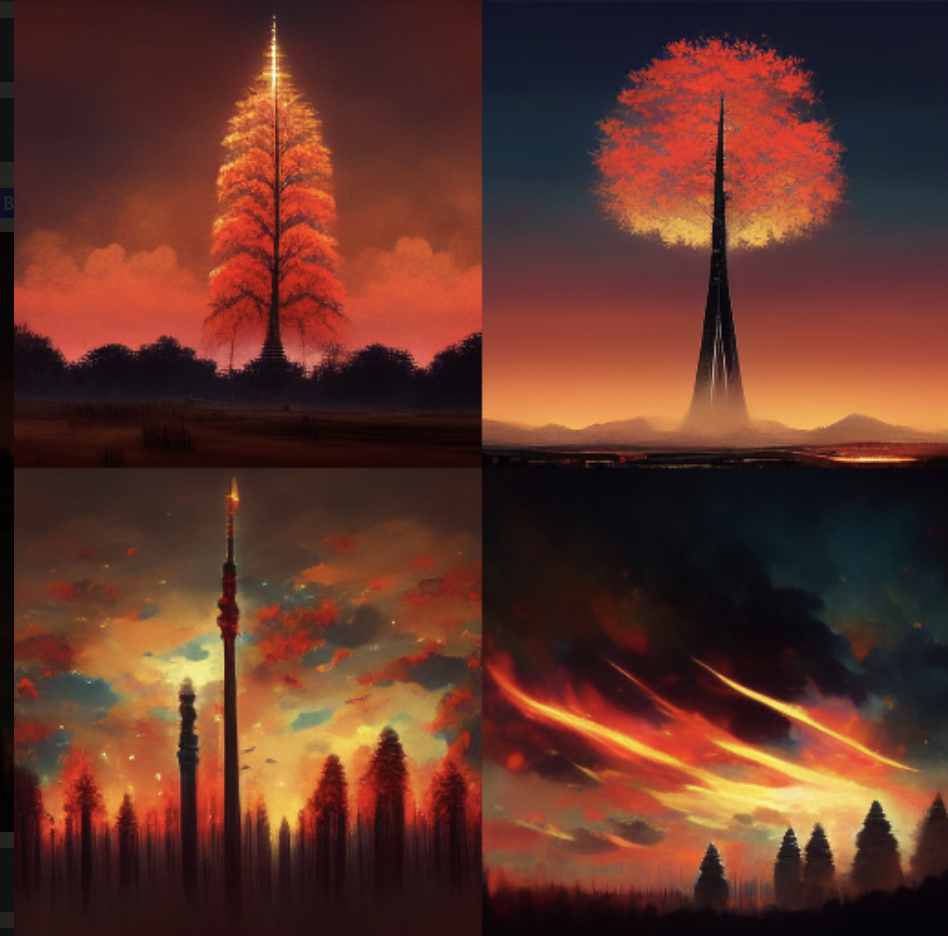
Created with help either from an elephant, an AI, or a Human
Do we define art by the impact It has on us, or by who and how it was created? Is a piece less meaningful because an elephant or a computer painted it? Does the intention of an artist matter, or do we judge not on the intention by the impact?
As we plunge deeper into the debate — the defense of AI, or the defense of humanity — we’re forced to wrestle with essential questions: are we that special? What is it about our ineffable souls, our childlike vulnerability, even our empathy and failing memories, which can’t easily be copied by a more proficient machine?
In a Russian novel I read when I was young, a character walks into the town square and confessions to an old crime, a crime people have forgotten about years ago. This image of the public confession returns to me from time to time.
It returned today.
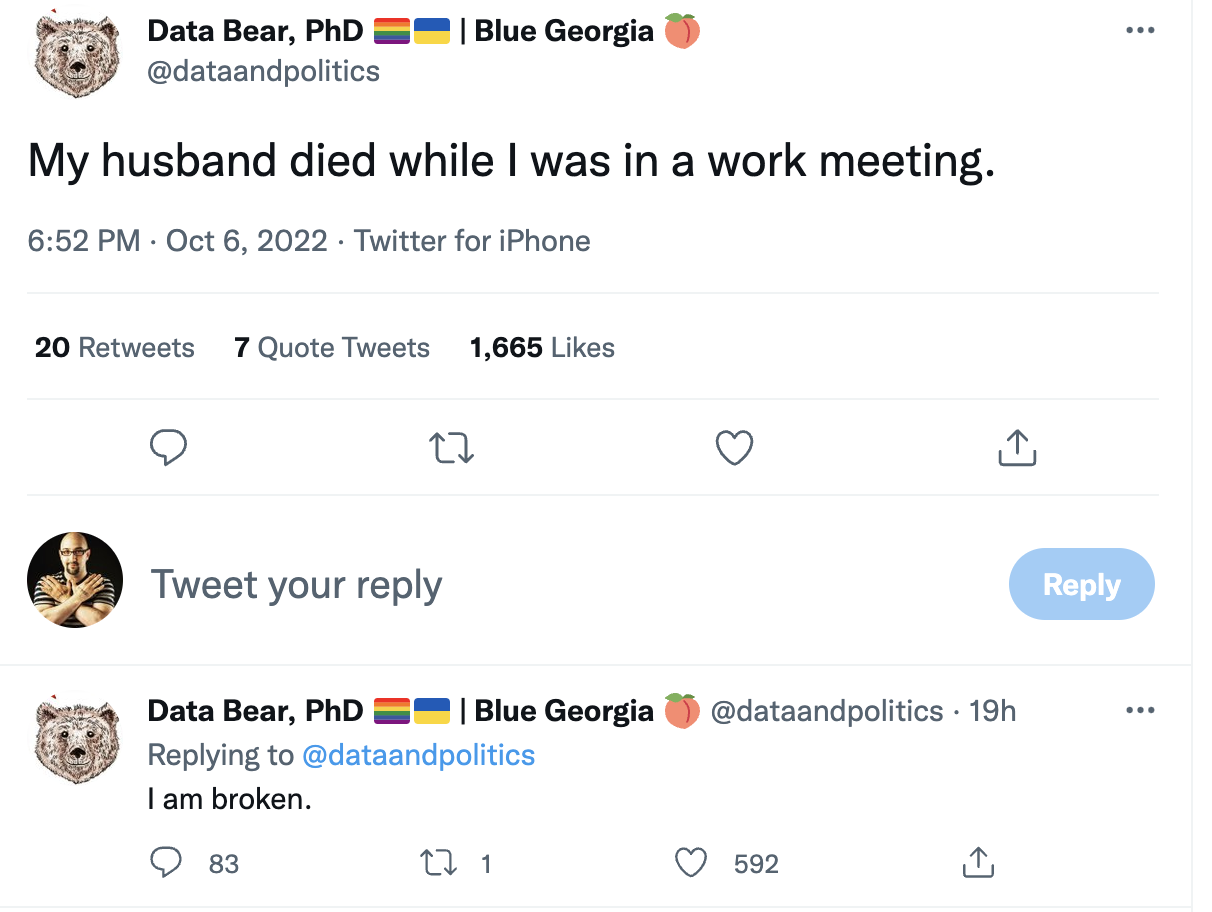
Today, a person shared the most devastating news—the death of a spouse—and they did so in the virtual public square of social media. It must have just happened. They must have written out of shock or out of confusion.
Hundreds of people expressed condolences, desires to help, GIF with animated characters hugging. There were no spammers or haters among the comments.
As the idea of the public square evolves from a physical place to a social community to a virtual world, I wonder how our rituals around confession, burial, morning, and commiseration will evolve accordingly.
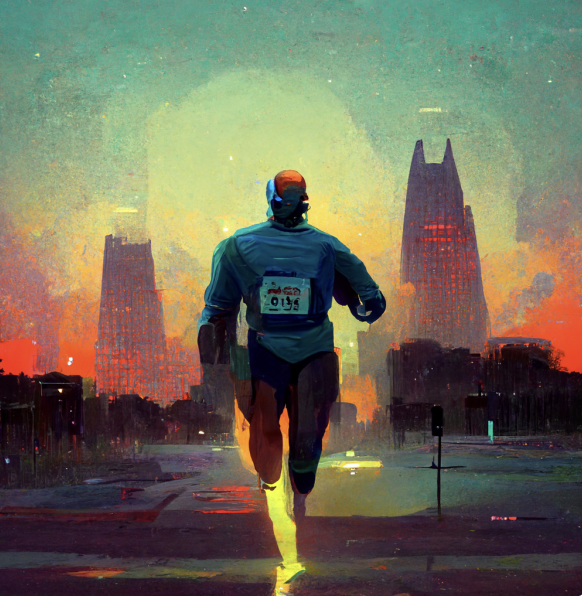
A good friend of mine ran a race and finished dead last. Honestly, I respect this even more than if he finished 1st. The force of will to continue, despite judgement, the inner strength to preserve is incredible to me. Knowing that you will finish last and continuing to run anyway, that takes courage. I am also not sharing this metaphorically. We all know there’s enough motivational bs out there. This is a story that I know is true and that I can turn to.
Recently, I got into a debate with an executive coach on Twitter. We were discussing goal setting, and she wrote, “I think that everyone loves to win at *something* – to be really capable, feel absolute domination in that moment, and just smash one thing out of the park – to feel pride in seeing what they can do, and to plant their own flag in this world with their influence.”
I responded by noting how she, in this and other tweets, characterized success in strong, “yang” language: smashing, dominating, planting. Notably absent from her description of success were the grace of “yin” language: fluidity, grace, inner worlds. She informed me that “zen” isn’t really her style, which, of course, is a dismissive way to shut down dialogue.
I refuse to believe that “high performance” is about only about smashing things, and that the only way to win is to dominate yourself and others. There is much more to winning than coming in first, at least, that is true of all the races I care to run in, and there’s much to be learned from the honor of the man who finished last.
Today is a sacred day, which means it is different from the rest of day. It is not different due to sickness, or the type of act of God that destroys homes and scares farm animals: it different both because of its religious significance and the significance I have given it in my life.
On this day, I reread 22 years of journal entries I have written. I go through old books of poems to find ones I have ear marked. I take inventory of mind, body, and spirit. From these rituals, I remembered expressions like “the joy of paying exquisite attention,” and I revisit goals which once mattered to me.
This ritual of pause and reflection allows you to step into your life, as if it were a beautiful unoccupied home, and walk around it, to truly breath it in. There’s something incredible that happens when you drop your to do list, release the idea of constantly doing, and pay attention to what’s trying to happen–an idea a great teacher of mine introduced over many walks in Rhode Island.
Of all the lines that resonates with me on this, one stands out above the rest.
A ritual of water and fire, purity and focus, I have become what I do in the silence of not knowing. A ritual of the every day. The release that happens when the mind is disengaged. The simple movements which are larger than this life, the movements of ancestors, the familiar sounds and songs that fill our lungs and give us tribal meaning. Never once did I question that placement of my hand near my heart, and the water on my head. The numbers that matter to You, the times I repeated everyday gestures and whispered sacred words to be closer to the stillness imagined or real. How can I know what I am when I never stop moving, never stop striving. In the morning light, I refuse anything with a screen, a plug, a source of power other than the earth—and I repeat ancient mantras I learned as a child, before words held meaning.
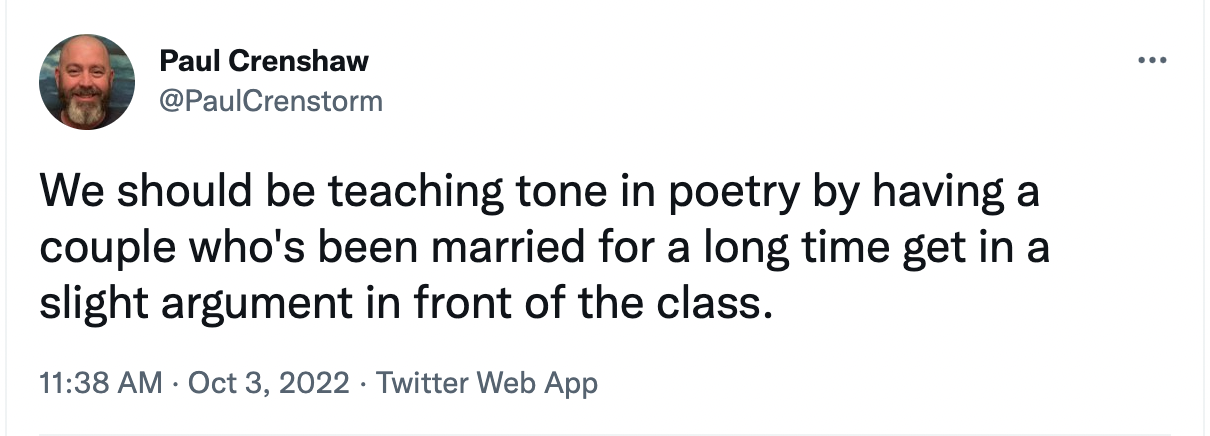
Thinking about tone today: how it changes through relationships and cultures and what we can learn about tone by watching someone interacting with their parents or childhood friends.
What is a “natural” vs. “affected” tone, and how does it change with written language, spoken words, and song.
Just as some people have more tone sensitivity when they sing, do others have more tone sensitivity when the speak–and can this be cultivated? Are their cultures with tones that sound more soothing or aggressive naturally?
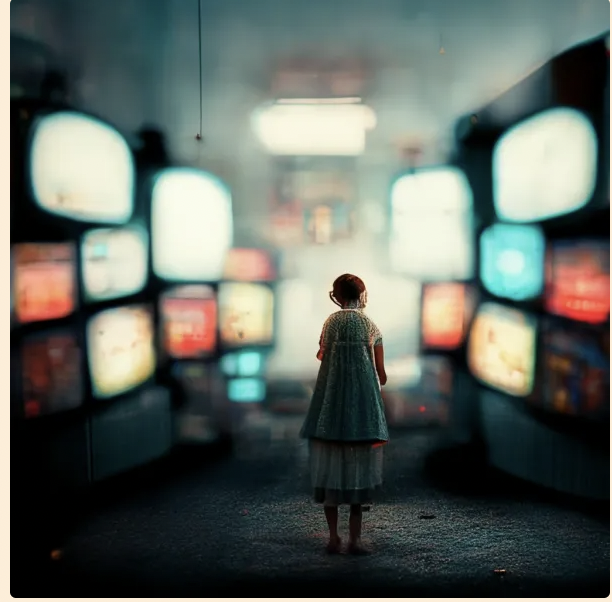
Have you wondered what you will do when everything you experience is searchable?
When every word spoken is transcribed in a great book, what words would you search for? If you could not search for familiar names of people, what then?
And when you can search every image that ever was:
Your mother’s face when your newborn eyes open
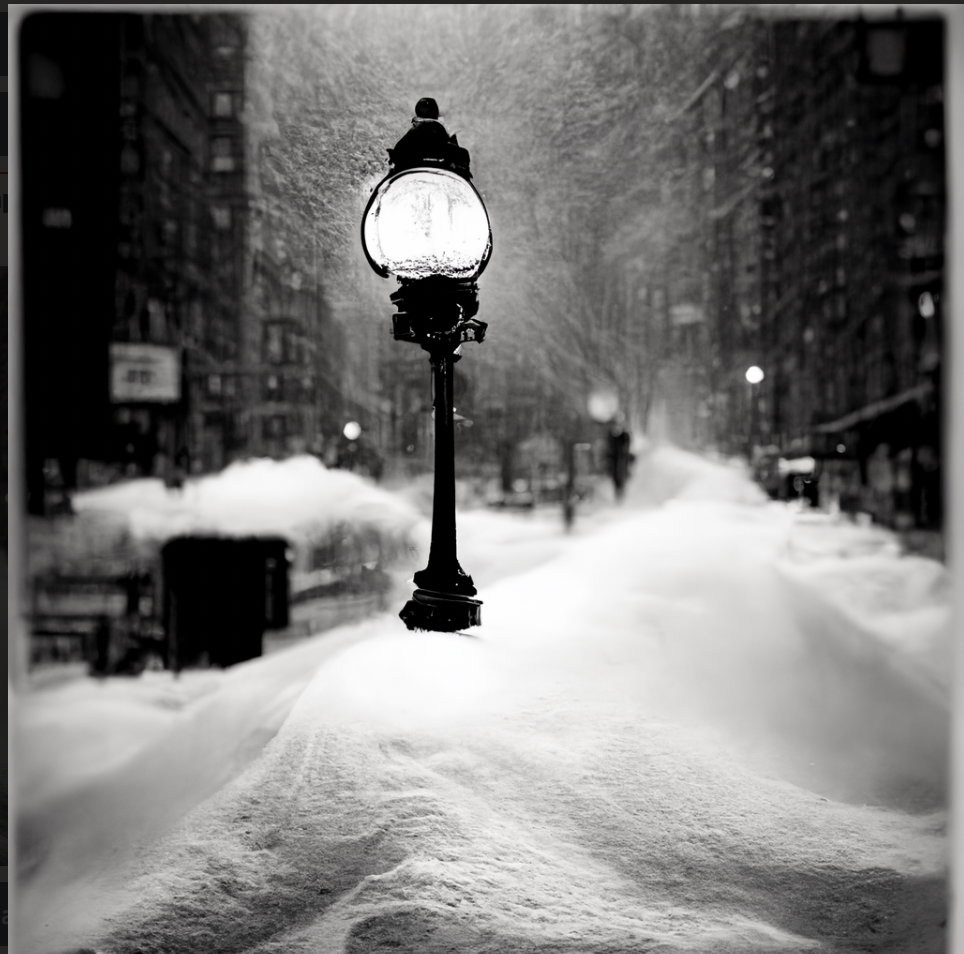
That December day when the snow fell on top of New York’s first street lamp
Or what the giant pre-historical trees saw with the great animals dancing below them
What would you search for then?
In the boombox recording all of your unexpressed thoughts, which would you want to play?
It will all be knowable & searchable: what, then, do you yearn for?
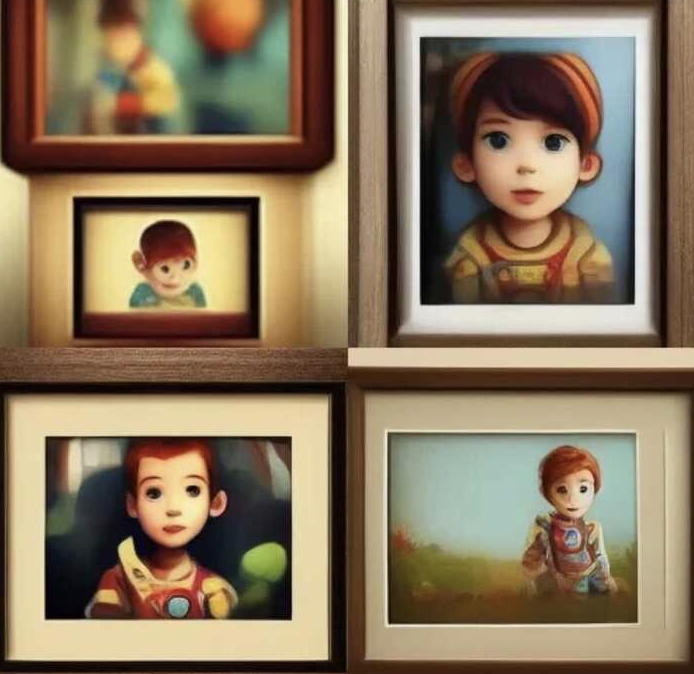
We all have a relationship with our photos. We even remember parts of our childhood by recalling the photos that captured it. Yet we don’t have the same relationship with our voices. Have you noticed your voice evolves as you age: the inflection changes, the confidence, tone, and pitch?
Try for a minute to describe your voice. Write down 3-5 words that you associate with it? Are those the same words that describe your personality?
What is true to you which isn’t revealed by your voice? What used to be true of your voice by is no longer? If you were to change how you sound what changes would you make? If your voice is that close to you identity, why don’t you capture it more often—frame it in an “audio gallery” to show your kids one day?





 A Life of Wonder